Transparent Advice
Discuss firstWe explain likely cost factors before booking. Final pricing depends on site conditions, access, parts and testing requirements.
Advice First
Helpful electrical advice from a NAPIT Approved electrician in Skegness, covering tripping electrics, fuse boards, EICRs, sockets, lighting, outdoor power and more.
100+ Customer Questions
Short, useful answers for the questions people ask before calling an electrician. If something looks unsafe, call BrightSpark or send a photo for guidance.
Tripping usually means a protective device has detected a fault, overload or leakage of electricity. Common causes include faulty appliances, damp outdoor equipment, damaged cables or wiring faults. If it happens repeatedly, it should not be ignored because the device is there for safety. Unplug appliances if safe, note what was being used, and arrange Electrical Fault Finding if the cause is not obvious.
Tripping usually means a protective device has detected a fault, overload or leakage of electricity. Common causes include faulty appliances, damp outdoor equipment, damaged cables or wiring faults. If it happens repeatedly, it should not be ignored because the device is there for safety. Unplug appliances if safe, note what was being used, and arrange Electrical Fault Finding if the cause is not obvious.
A fuse board or consumer unit controls and protects the electrical circuits in the property. You may need attention if it is damaged, poorly labelled, repeatedly tripping or lacks suitable protection for planned work. It is a safety concern if there are signs of heat, burning, broken covers or exposed parts. Send a clear photo of the board and explain what you are planning or what keeps happening.
Consumer unit upgrades start from £700. The final price depends on the number of circuits, existing condition, testing results, access and whether remedial work is needed. An old fuse board is not automatically unsafe, but missing modern protection or visible damage can be a concern. Send a clear photo of the fuse board and meter area before booking.
Yes, an outside socket can usually be installed if there is a suitable supply nearby and the installation can be protected correctly. Outdoor sockets must be weather-rated and safely connected because moisture and damage can create risks. Do not use indoor extension leads as a permanent outdoor supply. Send a photo of the outside wall and nearest socket; back-to-back installations start from £125.
Residential and commercial EICRs start from £150, including up to 6 circuits and 1 consumer unit. Additional circuits are £25 each and additional consumer units are £50 each. The price can change if access is poor, records are missing or extra consumer units are present. If there are known safety concerns, mention them before booking. Send the property type and any previous report for the next step.
An EICR checks the condition of the fixed electrical installation and reports any safety observations. It does not automatically mean work is needed, but C1 and C2 observations should be treated seriously. If a report is unsatisfactory, ask for the observations to be explained clearly. The next step is to send the report or book an EICR Certificate inspection if one is due.
An EICR checks the condition of the fixed electrical installation and reports any safety observations. It does not automatically mean work is needed, but C1 and C2 observations should be treated seriously. If a report is unsatisfactory, ask for the observations to be explained clearly. The next step is to send the report or book an EICR Certificate inspection if one is due.
Lighting problems can be caused by failed lamps, faulty fittings, incompatible dimmers, loose connections or circuit faults. Flickering, buzzing, burning smells or repeated tripping should not be ignored. If a fitting is damaged or wiring looks unsafe, do not keep using it. Send photos of the current fitting, switch and replacement light if relevant, and include a short video if the fault is intermittent.
Lighting problems can be caused by failed lamps, faulty fittings, incompatible dimmers, loose connections or circuit faults. Flickering, buzzing, burning smells or repeated tripping should not be ignored. If a fitting is damaged or wiring looks unsafe, do not keep using it. Send photos of the current fitting, switch and replacement light if relevant, and include a short video if the fault is intermittent.
A socket problem may be caused by a loose connection, damaged accessory, overloaded plug, moisture or a wiring fault. If the socket is hot, cracked, sparking, buzzing or smells of burning, stop using it immediately. Do not keep plugging items into it to test it. The next step is to send a photo from a safe distance and arrange Electrical Repairs if the issue continues.
Outdoor and outbuilding electrics need suitable protection, weather-rated equipment and a safe cable route. Moisture, damage and poor connections can create safety risks, especially where power is used outside. If outdoor electrics are tripping, damaged or wet, stop using them if safe. Send photos of the location, route and nearest supply; for garden power, start with Outside Socket Installation.
Outdoor and outbuilding electrics need suitable protection, weather-rated equipment and a safe cable route. Moisture, damage and poor connections can create safety risks, especially where power is used outside. If outdoor electrics are tripping, damaged or wet, stop using them if safe. Send photos of the location, route and nearest supply; for garden power, start with Outside Socket Installation.
Electrical fault finding has a £100 callout fee, with the first hour included. If more time is needed, it is charged at £50 per hour thereafter. The final cost depends on how quickly the fault can be traced and whether it is intermittent. Repeated tripping, heat, burning smells or water near electrics should be treated as safety concerns. Send photos and describe when the fault happens.
Tripping usually means a protective device has detected a fault, overload or leakage of electricity. Common causes include faulty appliances, damp outdoor equipment, damaged cables or wiring faults. If it happens repeatedly, it should not be ignored because the device is there for safety. Unplug appliances if safe, note what was being used, and arrange Electrical Fault Finding if the cause is not obvious.
A socket problem may be caused by a loose connection, damaged accessory, overloaded plug, moisture or a wiring fault. If the socket is hot, cracked, sparking, buzzing or smells of burning, stop using it immediately. Do not keep plugging items into it to test it. The next step is to send a photo from a safe distance and arrange Electrical Repairs if the issue continues.
A socket problem may be caused by a loose connection, damaged accessory, overloaded plug, moisture or a wiring fault. If the socket is hot, cracked, sparking, buzzing or smells of burning, stop using it immediately. Do not keep plugging items into it to test it. The next step is to send a photo from a safe distance and arrange Electrical Repairs if the issue continues.
It depends on the symptoms and the installation. The safest next step is to describe what is happening, send photos if possible and avoid using anything that is hot, damaged, sparking, wet or repeatedly tripping. If the cause is not obvious, professional Electrical Fault Finding is recommended. For broader guidance, use the All Electrical Pages index.
A socket problem may be caused by a loose connection, damaged accessory, overloaded plug, moisture or a wiring fault. If the socket is hot, cracked, sparking, buzzing or smells of burning, stop using it immediately. Do not keep plugging items into it to test it. The next step is to send a photo from a safe distance and arrange Electrical Repairs if the issue continues.
Lighting problems can be caused by failed lamps, faulty fittings, incompatible dimmers, loose connections or circuit faults. Flickering, buzzing, burning smells or repeated tripping should not be ignored. If a fitting is damaged or wiring looks unsafe, do not keep using it. Send photos of the current fitting, switch and replacement light if relevant, and include a short video if the fault is intermittent.
Tripping usually means a protective device has detected a fault, overload or leakage of electricity. Common causes include faulty appliances, damp outdoor equipment, damaged cables or wiring faults. If it happens repeatedly, it should not be ignored because the device is there for safety. Unplug appliances if safe, note what was being used, and arrange Electrical Fault Finding if the cause is not obvious.
Tripping usually means a protective device has detected a fault, overload or leakage of electricity. Common causes include faulty appliances, damp outdoor equipment, damaged cables or wiring faults. If it happens repeatedly, it should not be ignored because the device is there for safety. Unplug appliances if safe, note what was being used, and arrange Electrical Fault Finding if the cause is not obvious.
Lighting problems can be caused by failed lamps, faulty fittings, incompatible dimmers, loose connections or circuit faults. Flickering, buzzing, burning smells or repeated tripping should not be ignored. If a fitting is damaged or wiring looks unsafe, do not keep using it. Send photos of the current fitting, switch and replacement light if relevant, and include a short video if the fault is intermittent.
Tripping usually means a protective device has detected a fault, overload or leakage of electricity. Common causes include faulty appliances, damp outdoor equipment, damaged cables or wiring faults. If it happens repeatedly, it should not be ignored because the device is there for safety. Unplug appliances if safe, note what was being used, and arrange Electrical Fault Finding if the cause is not obvious.
Tripping usually means a protective device has detected a fault, overload or leakage of electricity. Common causes include faulty appliances, damp outdoor equipment, damaged cables or wiring faults. If it happens repeatedly, it should not be ignored because the device is there for safety. Unplug appliances if safe, note what was being used, and arrange Electrical Fault Finding if the cause is not obvious.
Tripping usually means a protective device has detected a fault, overload or leakage of electricity. Common causes include faulty appliances, damp outdoor equipment, damaged cables or wiring faults. If it happens repeatedly, it should not be ignored because the device is there for safety. Unplug appliances if safe, note what was being used, and arrange Electrical Fault Finding if the cause is not obvious.
Lighting problems can be caused by failed lamps, faulty fittings, incompatible dimmers, loose connections or circuit faults. Flickering, buzzing, burning smells or repeated tripping should not be ignored. If a fitting is damaged or wiring looks unsafe, do not keep using it. Send photos of the current fitting, switch and replacement light if relevant, and include a short video if the fault is intermittent.
Outdoor and outbuilding electrics need suitable protection, weather-rated equipment and a safe cable route. Moisture, damage and poor connections can create safety risks, especially where power is used outside. If outdoor electrics are tripping, damaged or wet, stop using them if safe. Send photos of the location, route and nearest supply; for garden power, start with Outside Socket Installation.
Yes, an EV charger can usually be installed at home if the supply, parking position, earthing and cable route are suitable. The main safety concern is making sure the charger is correctly protected and matched to the property. Photos of the parking space, meter area and consumer unit help assess the next step. Do not assume an ordinary socket is suitable for regular EV charging.
Yes, an EV charger can usually be installed at home if the supply, parking position, earthing and cable route are suitable. The main safety concern is making sure the charger is correctly protected and matched to the property. Photos of the parking space, meter area and consumer unit help assess the next step. Do not assume an ordinary socket is suitable for regular EV charging.
An EICR checks the condition of the fixed electrical installation and reports any safety observations. It does not automatically mean work is needed, but C1 and C2 observations should be treated seriously. If a report is unsatisfactory, ask for the observations to be explained clearly. The next step is to send the report or book an EICR Certificate inspection if one is due.
An EICR checks the condition of the fixed electrical installation and reports any safety observations. It does not automatically mean work is needed, but C1 and C2 observations should be treated seriously. If a report is unsatisfactory, ask for the observations to be explained clearly. The next step is to send the report or book an EICR Certificate inspection if one is due.
Lighting problems can be caused by failed lamps, faulty fittings, incompatible dimmers, loose connections or circuit faults. Flickering, buzzing, burning smells or repeated tripping should not be ignored. If a fitting is damaged or wiring looks unsafe, do not keep using it. Send photos of the current fitting, switch and replacement light if relevant, and include a short video if the fault is intermittent.
An EICR checks the condition of the fixed electrical installation and reports any safety observations. It does not automatically mean work is needed, but C1 and C2 observations should be treated seriously. If a report is unsatisfactory, ask for the observations to be explained clearly. The next step is to send the report or book an EICR Certificate inspection if one is due.
An EICR checks the condition of the fixed electrical installation and reports any safety observations. It does not automatically mean work is needed, but C1 and C2 observations should be treated seriously. If a report is unsatisfactory, ask for the observations to be explained clearly. The next step is to send the report or book an EICR Certificate inspection if one is due.
An EICR checks the condition of the fixed electrical installation and reports any safety observations. It does not automatically mean work is needed, but C1 and C2 observations should be treated seriously. If a report is unsatisfactory, ask for the observations to be explained clearly. The next step is to send the report or book an EICR Certificate inspection if one is due.
An EICR checks the condition of the fixed electrical installation and reports any safety observations. It does not automatically mean work is needed, but C1 and C2 observations should be treated seriously. If a report is unsatisfactory, ask for the observations to be explained clearly. The next step is to send the report or book an EICR Certificate inspection if one is due.
It depends on the symptoms and the installation. The safest next step is to describe what is happening, send photos if possible and avoid using anything that is hot, damaged, sparking, wet or repeatedly tripping. If the cause is not obvious, professional Electrical Fault Finding is recommended. For broader guidance, use the All Electrical Pages index.
An EICR checks the condition of the fixed electrical installation and reports any safety observations. It does not automatically mean work is needed, but C1 and C2 observations should be treated seriously. If a report is unsatisfactory, ask for the observations to be explained clearly. The next step is to send the report or book an EICR Certificate inspection if one is due.
Caravan electrical testing checks whether the caravan installation appears safe for continued use. Issues can involve the consumer unit, hookup supply, sockets, lights or damp conditions. If there is tripping, heat, burning smells or visible damage, stop using the affected part if safe. Send photos of the consumer unit, hookup point and affected area. Static caravan EICRs are listed at £85; see Static Caravan EICRs for the next step.
A fuse board or consumer unit controls and protects the electrical circuits in the property. You may need attention if it is damaged, poorly labelled, repeatedly tripping or lacks suitable protection for planned work. It is a safety concern if there are signs of heat, burning, broken covers or exposed parts. Send a clear photo of the board and explain what you are planning or what keeps happening.
A fuse board or consumer unit controls and protects the electrical circuits in the property. You may need attention if it is damaged, poorly labelled, repeatedly tripping or lacks suitable protection for planned work. It is a safety concern if there are signs of heat, burning, broken covers or exposed parts. Send a clear photo of the board and explain what you are planning or what keeps happening.
A fuse board or consumer unit controls and protects the electrical circuits in the property. You may need attention if it is damaged, poorly labelled, repeatedly tripping or lacks suitable protection for planned work. It is a safety concern if there are signs of heat, burning, broken covers or exposed parts. Send a clear photo of the board and explain what you are planning or what keeps happening.
A fuse board or consumer unit controls and protects the electrical circuits in the property. You may need attention if it is damaged, poorly labelled, repeatedly tripping or lacks suitable protection for planned work. It is a safety concern if there are signs of heat, burning, broken covers or exposed parts. Send a clear photo of the board and explain what you are planning or what keeps happening.
A fuse board or consumer unit controls and protects the electrical circuits in the property. You may need attention if it is damaged, poorly labelled, repeatedly tripping or lacks suitable protection for planned work. It is a safety concern if there are signs of heat, burning, broken covers or exposed parts. Send a clear photo of the board and explain what you are planning or what keeps happening.
A fuse board or consumer unit controls and protects the electrical circuits in the property. You may need attention if it is damaged, poorly labelled, repeatedly tripping or lacks suitable protection for planned work. It is a safety concern if there are signs of heat, burning, broken covers or exposed parts. Send a clear photo of the board and explain what you are planning or what keeps happening.
A fuse board or consumer unit controls and protects the electrical circuits in the property. You may need attention if it is damaged, poorly labelled, repeatedly tripping or lacks suitable protection for planned work. It is a safety concern if there are signs of heat, burning, broken covers or exposed parts. Send a clear photo of the board and explain what you are planning or what keeps happening.
A fuse board or consumer unit controls and protects the electrical circuits in the property. You may need attention if it is damaged, poorly labelled, repeatedly tripping or lacks suitable protection for planned work. It is a safety concern if there are signs of heat, burning, broken covers or exposed parts. Send a clear photo of the board and explain what you are planning or what keeps happening.
A fuse board or consumer unit controls and protects the electrical circuits in the property. You may need attention if it is damaged, poorly labelled, repeatedly tripping or lacks suitable protection for planned work. It is a safety concern if there are signs of heat, burning, broken covers or exposed parts. Send a clear photo of the board and explain what you are planning or what keeps happening.
It depends on the symptoms and the installation. The safest next step is to describe what is happening, send photos if possible and avoid using anything that is hot, damaged, sparking, wet or repeatedly tripping. If the cause is not obvious, professional Electrical Fault Finding is recommended. For broader guidance, use the All Electrical Pages index.
Yes. Photos and short videos are often the quickest way to get useful initial advice. They help show the fuse board, socket, light, outside area or fault without needing a visit straight away. Do not remove covers or touch damaged parts to get a better photo. If there is heat, sparking, water or repeated tripping, stop using the affected item if safe and send the details through WhatsApp.
Tripping usually means a protective device has detected a fault, overload or leakage of electricity. Common causes include faulty appliances, damp outdoor equipment, damaged cables or wiring faults. If it happens repeatedly, it should not be ignored because the device is there for safety. Unplug appliances if safe, note what was being used, and arrange Electrical Fault Finding if the cause is not obvious.
A socket problem may be caused by a loose connection, damaged accessory, overloaded plug, moisture or a wiring fault. If the socket is hot, cracked, sparking, buzzing or smells of burning, stop using it immediately. Do not keep plugging items into it to test it. The next step is to send a photo from a safe distance and arrange Electrical Repairs if the issue continues.
Lighting problems can be caused by failed lamps, faulty fittings, incompatible dimmers, loose connections or circuit faults. Flickering, buzzing, burning smells or repeated tripping should not be ignored. If a fitting is damaged or wiring looks unsafe, do not keep using it. Send photos of the current fitting, switch and replacement light if relevant, and include a short video if the fault is intermittent.
Lighting problems can be caused by failed lamps, faulty fittings, incompatible dimmers, loose connections or circuit faults. Flickering, buzzing, burning smells or repeated tripping should not be ignored. If a fitting is damaged or wiring looks unsafe, do not keep using it. Send photos of the current fitting, switch and replacement light if relevant, and include a short video if the fault is intermittent.
Lighting problems can be caused by failed lamps, faulty fittings, incompatible dimmers, loose connections or circuit faults. Flickering, buzzing, burning smells or repeated tripping should not be ignored. If a fitting is damaged or wiring looks unsafe, do not keep using it. Send photos of the current fitting, switch and replacement light if relevant, and include a short video if the fault is intermittent.
Lighting problems can be caused by failed lamps, faulty fittings, incompatible dimmers, loose connections or circuit faults. Flickering, buzzing, burning smells or repeated tripping should not be ignored. If a fitting is damaged or wiring looks unsafe, do not keep using it. Send photos of the current fitting, switch and replacement light if relevant, and include a short video if the fault is intermittent.
Lighting problems can be caused by failed lamps, faulty fittings, incompatible dimmers, loose connections or circuit faults. Flickering, buzzing, burning smells or repeated tripping should not be ignored. If a fitting is damaged or wiring looks unsafe, do not keep using it. Send photos of the current fitting, switch and replacement light if relevant, and include a short video if the fault is intermittent.
Lighting problems can be caused by failed lamps, faulty fittings, incompatible dimmers, loose connections or circuit faults. Flickering, buzzing, burning smells or repeated tripping should not be ignored. If a fitting is damaged or wiring looks unsafe, do not keep using it. Send photos of the current fitting, switch and replacement light if relevant, and include a short video if the fault is intermittent.
A socket problem may be caused by a loose connection, damaged accessory, overloaded plug, moisture or a wiring fault. If the socket is hot, cracked, sparking, buzzing or smells of burning, stop using it immediately. Do not keep plugging items into it to test it. The next step is to send a photo from a safe distance and arrange Electrical Repairs if the issue continues.
A socket problem may be caused by a loose connection, damaged accessory, overloaded plug, moisture or a wiring fault. If the socket is hot, cracked, sparking, buzzing or smells of burning, stop using it immediately. Do not keep plugging items into it to test it. The next step is to send a photo from a safe distance and arrange Electrical Repairs if the issue continues.
A socket problem may be caused by a loose connection, damaged accessory, overloaded plug, moisture or a wiring fault. If the socket is hot, cracked, sparking, buzzing or smells of burning, stop using it immediately. Do not keep plugging items into it to test it. The next step is to send a photo from a safe distance and arrange Electrical Repairs if the issue continues.
Yes, an outside socket can usually be installed if there is a suitable supply nearby and the installation can be protected correctly. Outdoor sockets must be weather-rated and safely connected because moisture and damage can create risks. Do not use indoor extension leads as a permanent outdoor supply. Send a photo of the outside wall and nearest socket; back-to-back installations start from £125.
Yes, an outside socket can usually be installed if there is a suitable supply nearby and the installation can be protected correctly. Outdoor sockets must be weather-rated and safely connected because moisture and damage can create risks. Do not use indoor extension leads as a permanent outdoor supply. Send a photo of the outside wall and nearest socket; back-to-back installations start from £125.
Lighting problems can be caused by failed lamps, faulty fittings, incompatible dimmers, loose connections or circuit faults. Flickering, buzzing, burning smells or repeated tripping should not be ignored. If a fitting is damaged or wiring looks unsafe, do not keep using it. Send photos of the current fitting, switch and replacement light if relevant, and include a short video if the fault is intermittent.
It depends on the symptoms and the installation. The safest next step is to describe what is happening, send photos if possible and avoid using anything that is hot, damaged, sparking, wet or repeatedly tripping. If the cause is not obvious, professional Electrical Fault Finding is recommended. For broader guidance, use the All Electrical Pages index.
It depends on the symptoms and the installation. The safest next step is to describe what is happening, send photos if possible and avoid using anything that is hot, damaged, sparking, wet or repeatedly tripping. If the cause is not obvious, professional Electrical Fault Finding is recommended. For broader guidance, use the All Electrical Pages index.
Outdoor and outbuilding electrics need suitable protection, weather-rated equipment and a safe cable route. Moisture, damage and poor connections can create safety risks, especially where power is used outside. If outdoor electrics are tripping, damaged or wet, stop using them if safe. Send photos of the location, route and nearest supply; for garden power, start with Outside Socket Installation.
Outdoor and outbuilding electrics need suitable protection, weather-rated equipment and a safe cable route. Moisture, damage and poor connections can create safety risks, especially where power is used outside. If outdoor electrics are tripping, damaged or wet, stop using them if safe. Send photos of the location, route and nearest supply; for garden power, start with Outside Socket Installation.
Outdoor and outbuilding electrics need suitable protection, weather-rated equipment and a safe cable route. Moisture, damage and poor connections can create safety risks, especially where power is used outside. If outdoor electrics are tripping, damaged or wet, stop using them if safe. Send photos of the location, route and nearest supply; for garden power, start with Outside Socket Installation.
It depends on the symptoms and the installation. The safest next step is to describe what is happening, send photos if possible and avoid using anything that is hot, damaged, sparking, wet or repeatedly tripping. If the cause is not obvious, professional Electrical Fault Finding is recommended. For broader guidance, use the All Electrical Pages index.
It depends on the symptoms and the installation. The safest next step is to describe what is happening, send photos if possible and avoid using anything that is hot, damaged, sparking, wet or repeatedly tripping. If the cause is not obvious, professional Electrical Fault Finding is recommended. For broader guidance, use the All Electrical Pages index.
Lighting problems can be caused by failed lamps, faulty fittings, incompatible dimmers, loose connections or circuit faults. Flickering, buzzing, burning smells or repeated tripping should not be ignored. If a fitting is damaged or wiring looks unsafe, do not keep using it. Send photos of the current fitting, switch and replacement light if relevant, and include a short video if the fault is intermittent.
It depends on the symptoms and the installation. The safest next step is to describe what is happening, send photos if possible and avoid using anything that is hot, damaged, sparking, wet or repeatedly tripping. If the cause is not obvious, professional Electrical Fault Finding is recommended. For broader guidance, use the All Electrical Pages index.
Lighting problems can be caused by failed lamps, faulty fittings, incompatible dimmers, loose connections or circuit faults. Flickering, buzzing, burning smells or repeated tripping should not be ignored. If a fitting is damaged or wiring looks unsafe, do not keep using it. Send photos of the current fitting, switch and replacement light if relevant, and include a short video if the fault is intermittent.
Lighting problems can be caused by failed lamps, faulty fittings, incompatible dimmers, loose connections or circuit faults. Flickering, buzzing, burning smells or repeated tripping should not be ignored. If a fitting is damaged or wiring looks unsafe, do not keep using it. Send photos of the current fitting, switch and replacement light if relevant, and include a short video if the fault is intermittent.
Lighting problems can be caused by failed lamps, faulty fittings, incompatible dimmers, loose connections or circuit faults. Flickering, buzzing, burning smells or repeated tripping should not be ignored. If a fitting is damaged or wiring looks unsafe, do not keep using it. Send photos of the current fitting, switch and replacement light if relevant, and include a short video if the fault is intermittent.
It depends on the symptoms and the installation. The safest next step is to describe what is happening, send photos if possible and avoid using anything that is hot, damaged, sparking, wet or repeatedly tripping. If the cause is not obvious, professional Electrical Fault Finding is recommended. For broader guidance, use the All Electrical Pages index.
It depends on the symptoms and the installation. The safest next step is to describe what is happening, send photos if possible and avoid using anything that is hot, damaged, sparking, wet or repeatedly tripping. If the cause is not obvious, professional Electrical Fault Finding is recommended. For broader guidance, use the All Electrical Pages index.
It depends on the symptoms and the installation. The safest next step is to describe what is happening, send photos if possible and avoid using anything that is hot, damaged, sparking, wet or repeatedly tripping. If the cause is not obvious, professional Electrical Fault Finding is recommended. For broader guidance, use the All Electrical Pages index.
It depends on the symptoms and the installation. The safest next step is to describe what is happening, send photos if possible and avoid using anything that is hot, damaged, sparking, wet or repeatedly tripping. If the cause is not obvious, professional Electrical Fault Finding is recommended. For broader guidance, use the All Electrical Pages index.
It depends on the symptoms and the installation. The safest next step is to describe what is happening, send photos if possible and avoid using anything that is hot, damaged, sparking, wet or repeatedly tripping. If the cause is not obvious, professional Electrical Fault Finding is recommended. For broader guidance, use the All Electrical Pages index.
It depends on the symptoms and the installation. The safest next step is to describe what is happening, send photos if possible and avoid using anything that is hot, damaged, sparking, wet or repeatedly tripping. If the cause is not obvious, professional Electrical Fault Finding is recommended. For broader guidance, use the All Electrical Pages index.
Tripping usually means a protective device has detected a fault, overload or leakage of electricity. Common causes include faulty appliances, damp outdoor equipment, damaged cables or wiring faults. If it happens repeatedly, it should not be ignored because the device is there for safety. Unplug appliances if safe, note what was being used, and arrange Electrical Fault Finding if the cause is not obvious.
It depends on the symptoms and the installation. The safest next step is to describe what is happening, send photos if possible and avoid using anything that is hot, damaged, sparking, wet or repeatedly tripping. If the cause is not obvious, professional Electrical Fault Finding is recommended. For broader guidance, use the All Electrical Pages index.
It depends on the symptoms and the installation. The safest next step is to describe what is happening, send photos if possible and avoid using anything that is hot, damaged, sparking, wet or repeatedly tripping. If the cause is not obvious, professional Electrical Fault Finding is recommended. For broader guidance, use the All Electrical Pages index.
A socket problem may be caused by a loose connection, damaged accessory, overloaded plug, moisture or a wiring fault. If the socket is hot, cracked, sparking, buzzing or smells of burning, stop using it immediately. Do not keep plugging items into it to test it. The next step is to send a photo from a safe distance and arrange Electrical Repairs if the issue continues.
A socket problem may be caused by a loose connection, damaged accessory, overloaded plug, moisture or a wiring fault. If the socket is hot, cracked, sparking, buzzing or smells of burning, stop using it immediately. Do not keep plugging items into it to test it. The next step is to send a photo from a safe distance and arrange Electrical Repairs if the issue continues.
A socket problem may be caused by a loose connection, damaged accessory, overloaded plug, moisture or a wiring fault. If the socket is hot, cracked, sparking, buzzing or smells of burning, stop using it immediately. Do not keep plugging items into it to test it. The next step is to send a photo from a safe distance and arrange Electrical Repairs if the issue continues.
It depends on the symptoms and the installation. The safest next step is to describe what is happening, send photos if possible and avoid using anything that is hot, damaged, sparking, wet or repeatedly tripping. If the cause is not obvious, professional Electrical Fault Finding is recommended. For broader guidance, use the All Electrical Pages index.
An EICR checks the condition of the fixed electrical installation and reports any safety observations. It does not automatically mean work is needed, but C1 and C2 observations should be treated seriously. If a report is unsatisfactory, ask for the observations to be explained clearly. The next step is to send the report or book an EICR Certificate inspection if one is due.
A socket problem may be caused by a loose connection, damaged accessory, overloaded plug, moisture or a wiring fault. If the socket is hot, cracked, sparking, buzzing or smells of burning, stop using it immediately. Do not keep plugging items into it to test it. The next step is to send a photo from a safe distance and arrange Electrical Repairs if the issue continues.
An EICR checks the condition of the fixed electrical installation and reports any safety observations. It does not automatically mean work is needed, but C1 and C2 observations should be treated seriously. If a report is unsatisfactory, ask for the observations to be explained clearly. The next step is to send the report or book an EICR Certificate inspection if one is due.
BrightSpark is based in Skegness and covers nearby Lincolnshire areas including Ingoldmells, Chapel St Leonards, Mablethorpe, Louth, Boston and Lincoln. If you are outside the main area, it is still worth asking. For urgent or safety-related issues, include your location, photos and a short description so we can advise whether a visit is practical.
Yes. BrightSpark Electrical Services is NAPIT Approved and fully insured. That gives reassurance that electrical work is carried out professionally and with appropriate checks. It is especially relevant for safety work such as EICR Certificates and Consumer Unit Upgrades. If you are unsure what you need, send photos first and ask for advice before booking.
Yes. BrightSpark Electrical Services is fully insured. Insurance is one of the basic trust checks customers should look for before booking electrical work. It does not replace safe workmanship, but it gives reassurance that the business is operating professionally. If the job involves safety concerns such as tripping, burning smells, damaged fittings or an EICR, send photos first and ask what the safest next step should be.
Yes. Photos and short videos are often the quickest way to get useful initial advice. They help show the fuse board, socket, light, outside area or fault without needing a visit straight away. Do not remove covers or touch damaged parts to get a better photo. If there is heat, sparking, water or repeated tripping, stop using the affected item if safe and send the details through WhatsApp.
Yes. Photos and short videos are often the quickest way to get useful initial advice. They help show the fuse board, socket, light, outside area or fault without needing a visit straight away. Do not remove covers or touch damaged parts to get a better photo. If there is heat, sparking, water or repeated tripping, stop using the affected item if safe and send the details through WhatsApp.
Yes. Photos and short videos are often the quickest way to get useful initial advice. They help show the fuse board, socket, light, outside area or fault without needing a visit straight away. Do not remove covers or touch damaged parts to get a better photo. If there is heat, sparking, water or repeated tripping, stop using the affected item if safe and send the details through WhatsApp.
BrightSpark is based in Skegness and covers nearby Lincolnshire areas including Ingoldmells, Chapel St Leonards, Mablethorpe, Louth, Boston and Lincoln. If you are outside the main area, it is still worth asking. For urgent or safety-related issues, include your location, photos and a short description so we can advise whether a visit is practical.
BrightSpark is based in Skegness and covers nearby Lincolnshire areas including Ingoldmells, Chapel St Leonards, Mablethorpe, Louth, Boston and Lincoln. If you are outside the main area, it is still worth asking. For urgent or safety-related issues, include your location, photos and a short description so we can advise whether a visit is practical.
BrightSpark is based in Skegness and covers nearby Lincolnshire areas including Ingoldmells, Chapel St Leonards, Mablethorpe, Louth, Boston and Lincoln. If you are outside the main area, it is still worth asking. For urgent or safety-related issues, include your location, photos and a short description so we can advise whether a visit is practical.
BrightSpark is based in Skegness and covers nearby Lincolnshire areas including Ingoldmells, Chapel St Leonards, Mablethorpe, Louth, Boston and Lincoln. If you are outside the main area, it is still worth asking. For urgent or safety-related issues, include your location, photos and a short description so we can advise whether a visit is practical.
BrightSpark is based in Skegness and covers nearby Lincolnshire areas including Ingoldmells, Chapel St Leonards, Mablethorpe, Louth, Boston and Lincoln. If you are outside the main area, it is still worth asking. For urgent or safety-related issues, include your location, photos and a short description so we can advise whether a visit is practical.
BrightSpark is based in Skegness and covers nearby Lincolnshire areas including Ingoldmells, Chapel St Leonards, Mablethorpe, Louth, Boston and Lincoln. If you are outside the main area, it is still worth asking. For urgent or safety-related issues, include your location, photos and a short description so we can advise whether a visit is practical.
BrightSpark is based in Skegness and covers nearby Lincolnshire areas including Ingoldmells, Chapel St Leonards, Mablethorpe, Louth, Boston and Lincoln. If you are outside the main area, it is still worth asking. For urgent or safety-related issues, include your location, photos and a short description so we can advise whether a visit is practical.
Caravan electrical testing checks whether the caravan installation appears safe for continued use. Issues can involve the consumer unit, hookup supply, sockets, lights or damp conditions. If there is tripping, heat, burning smells or visible damage, stop using the affected part if safe. Send photos of the consumer unit, hookup point and affected area. Static caravan EICRs are listed at £85; see Static Caravan EICRs for the next step.
Caravan electrical testing checks whether the caravan installation appears safe for continued use. Issues can involve the consumer unit, hookup supply, sockets, lights or damp conditions. If there is tripping, heat, burning smells or visible damage, stop using the affected part if safe. Send photos of the consumer unit, hookup point and affected area. Static caravan EICRs are listed at £85; see Static Caravan EICRs for the next step.
Caravan electrical testing checks whether the caravan installation appears safe for continued use. Issues can involve the consumer unit, hookup supply, sockets, lights or damp conditions. If there is tripping, heat, burning smells or visible damage, stop using the affected part if safe. Send photos of the consumer unit, hookup point and affected area. Static caravan EICRs are listed at £85; see Static Caravan EICRs for the next step.
Caravan electrical testing checks whether the caravan installation appears safe for continued use. Issues can involve the consumer unit, hookup supply, sockets, lights or damp conditions. If there is tripping, heat, burning smells or visible damage, stop using the affected part if safe. Send photos of the consumer unit, hookup point and affected area. Static caravan EICRs are listed at £85; see Static Caravan EICRs for the next step.
Caravan electrical testing checks whether the caravan installation appears safe for continued use. Issues can involve the consumer unit, hookup supply, sockets, lights or damp conditions. If there is tripping, heat, burning smells or visible damage, stop using the affected part if safe. Send photos of the consumer unit, hookup point and affected area. Static caravan EICRs are listed at £85; see Static Caravan EICRs for the next step.
Caravan electrical testing checks whether the caravan installation appears safe for continued use. Issues can involve the consumer unit, hookup supply, sockets, lights or damp conditions. If there is tripping, heat, burning smells or visible damage, stop using the affected part if safe. Send photos of the consumer unit, hookup point and affected area. Static caravan EICRs are listed at £85; see Static Caravan EICRs for the next step.
Transparent Pricing
These figures are intended to reduce uncertainty before booking. Final pricing depends on site conditions, access, parts, testing requirements and what is found on the day.
We explain likely cost factors before booking. Final pricing depends on site conditions, access, parts and testing requirements.
Internal Links
Project Proof
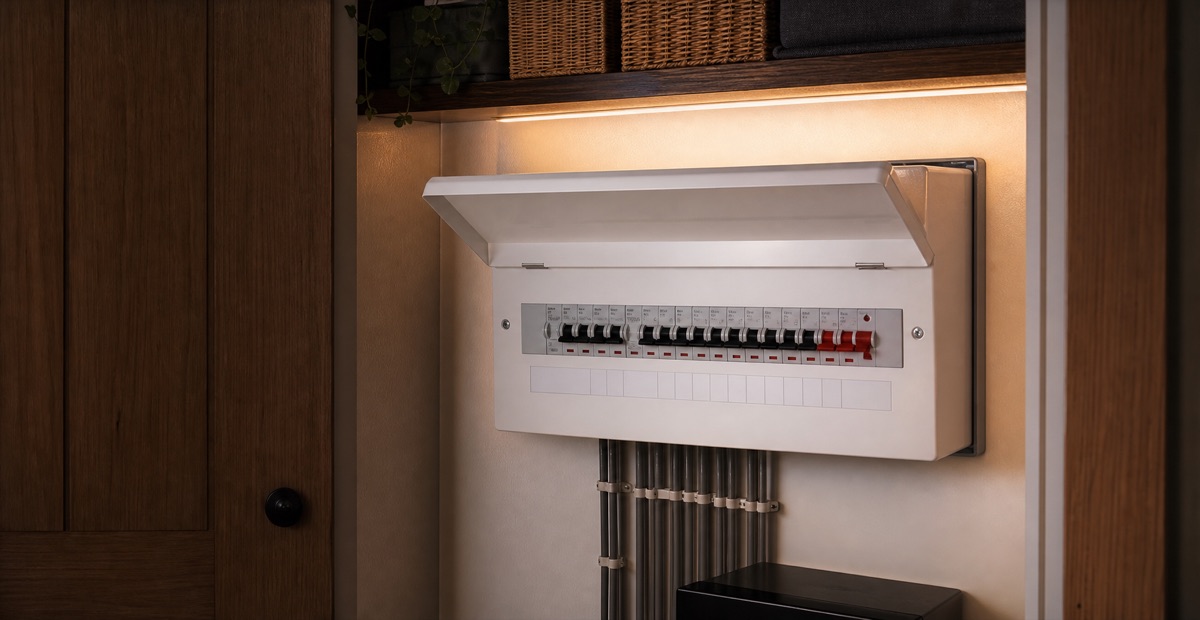
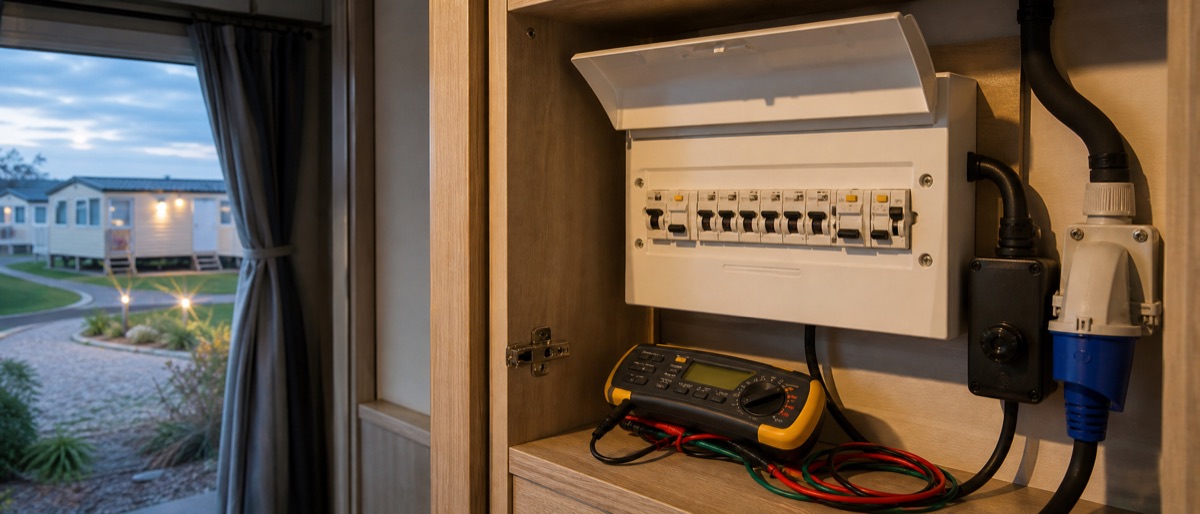
These example layouts show how real BrightSpark projects can be presented once genuine job photos, outcomes and customer feedback are available. The images are realistic UK electrical examples, not claims of completed BrightSpark jobs.


Areas Covered
BrightSpark Electrical Services is based in Skegness and covers nearby towns, villages and wider Lincolnshire.
Ask First
Send a photo, video or short explanation of the issue. BrightSpark can usually give useful initial guidance before you book.