Send A Photo
Share a clear photo or short video of the issue, the consumer unit, or the area where you want power installed.

Advice First. Work Second.
Based in Skegness and serving nearby communities first, BrightSpark also considers suitable work across Boston, Lincoln and wider Lincolnshire. Whether power is tripping or you are planning an installation, you will get honest guidance without pushy sales talk.
Start With Clarity
Many electrical issues and planned installations can be assessed initially through a photo or short video. Send the fuse board, socket, light fitting, garden wall, hot tub location or problem area on WhatsApp and we will explain what information helps before you book.
Share a clear photo or short video of the issue, the consumer unit, or the area where you want power installed.
We explain what may be happening, what information helps, and whether anything looks urgent or unsafe.
If a visit is the right next step, you will know what to expect before anyone arrives at your door.
Small Jobs Welcome
BrightSpark does not only take on large installations. Send one clear list and a photo of each item so small repairs, replacements and improvements can be planned together without unnecessary back-and-forth.
Common Searches
These are the everyday electrical problems people search for when they are not sure what is wrong yet.
If the electrics keep going off, explore RCD tripping, circuit breaker trips, fault finding and emergency advice.
Send a photo of the fuse board and tell us what was in use before it tripped. That gives us a useful starting point.
From one faulty fitting to a whole lighting circuit, we will explain what checks are sensible and when to stop touching it.
Old, damaged or confusing fuse boards can feel worrying. A photo often helps us advise on condition and next steps.
Crackling, heat, burning smells or loose fittings should be treated carefully. We will help you judge the urgency.
Partial power loss can have several causes. We ask the right questions before arranging fault finding.
Helpful Electrical Work
Clear advice for repairs, upgrades, safety checks and installations across homes, businesses and rental properties.
Unsure whether your fuse board is safe or outdated? Send a photo and we will explain what you have and what an upgrade may involve.
Need an electrical safety certificate? We make the inspection process clear for homeowners, buyers, sellers and businesses.
Planning an EV charger? Send photos of your parking space, meter area and consumer unit so we can advise on suitability.
When something keeps tripping or stops working, we look for the cause carefully and explain the findings in plain English.
If something feels unsafe, call first. We will help you decide whether it needs urgent attendance or temporary isolation.
Want power in your garden? Send us a photo of the wall and nearest socket and we will advise on the best option.
From lighting to sockets, we can advise on a practical and safe way to get power to an outbuilding.
Send photos of your hot tub location and consumer unit so we can explain the electrical requirements before installation.
New lights can expose older wiring issues. We replace fittings carefully and explain any concerns before extra work.
Practical electrical support for local businesses, landlords, offices, shops and commercial premises.
Need power in a better place? A photo of the room and nearby sockets helps us advise on a tidy route.
Repairs, replacements and single-to-double upgrades for damaged or inconvenient accessories.
Replacement and new spotlight installation, with clear guidance on fittings, access and likely cost.
Small jobs are welcome. Send a short list and photos so several items can be considered together.
If a property may need rewiring, we help you understand the signs, disruption, options and sensible next steps.
Transparent Pricing
Pricing should reduce uncertainty, not create pressure. Final pricing depends on site conditions, access, parts, testing requirements and what is found on the day.
The first hour includes the initial visit, inspection and diagnostic testing. Further investigation is £65 per hour. Parts and remedial work are priced separately.
Ask About A FaultInspection, relevant circuit testing and the report. Any remedial work identified is quoted separately.
Book An InspectionIncludes up to 6 circuits and 1 consumer unit. Additional circuits £25 each, additional consumer units £50 each.
Book An EICRDepends on circuit count, board type, access, installation condition, testing, earthing, bonding and any alterations or faults found.
Send Board PhotosBack-to-back installations from £125 where a suitable supply and route are available.
Send PhotosFinal price depends on access, wall construction, circuit condition and the chosen accessory.
Request A QuoteNew spotlight installation starts from £55 each. Access, wiring and fitting choice can affect the price.
Send Ceiling PhotosIndicative only. Access, controls, cable routes and materials can change the final price.
Request A QuotePrices shown are guide prices based on standard installations and may vary depending on access, cable routes, location, materials required and the condition of the existing electrical installation. A confirmed quotation will be provided before work begins.
Unless specifically stated, replacement parts, remedial work, meter tail upgrades, main bonding, isolators, circuit extensions and work not listed in the quotation are not included.
Testing and certification are included where applicable and where stated within the quotation.
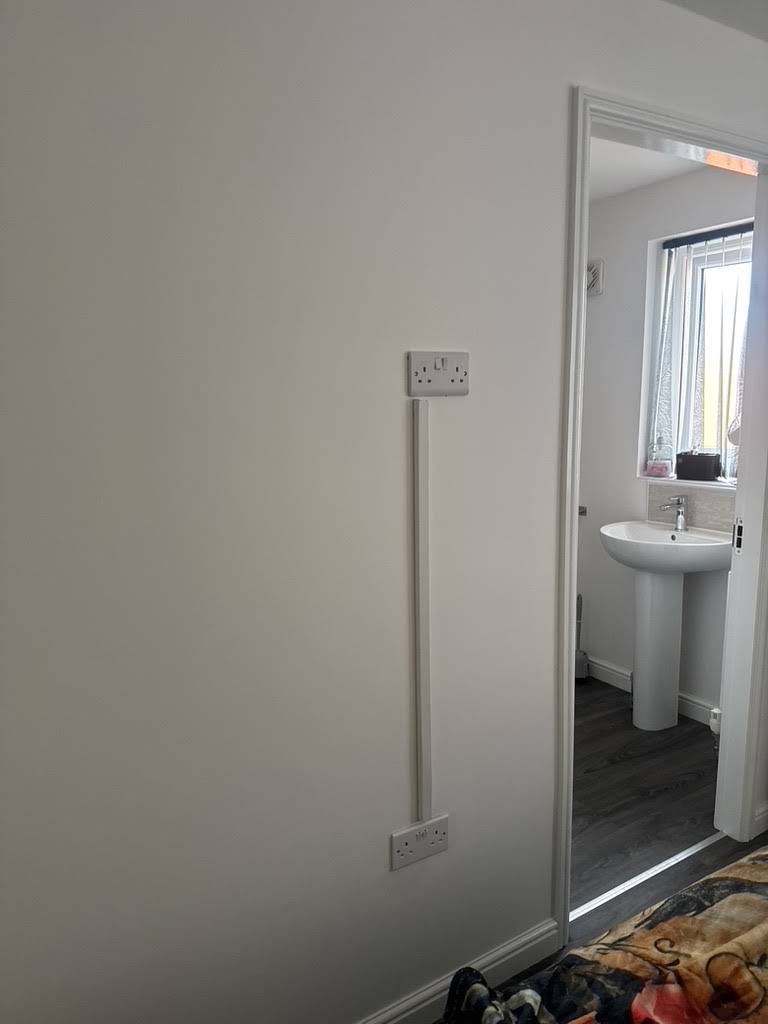
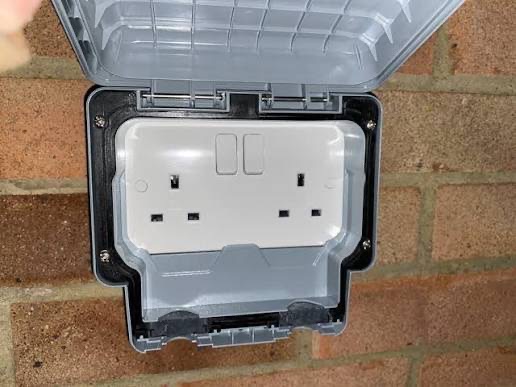
Real BrightSpark Work
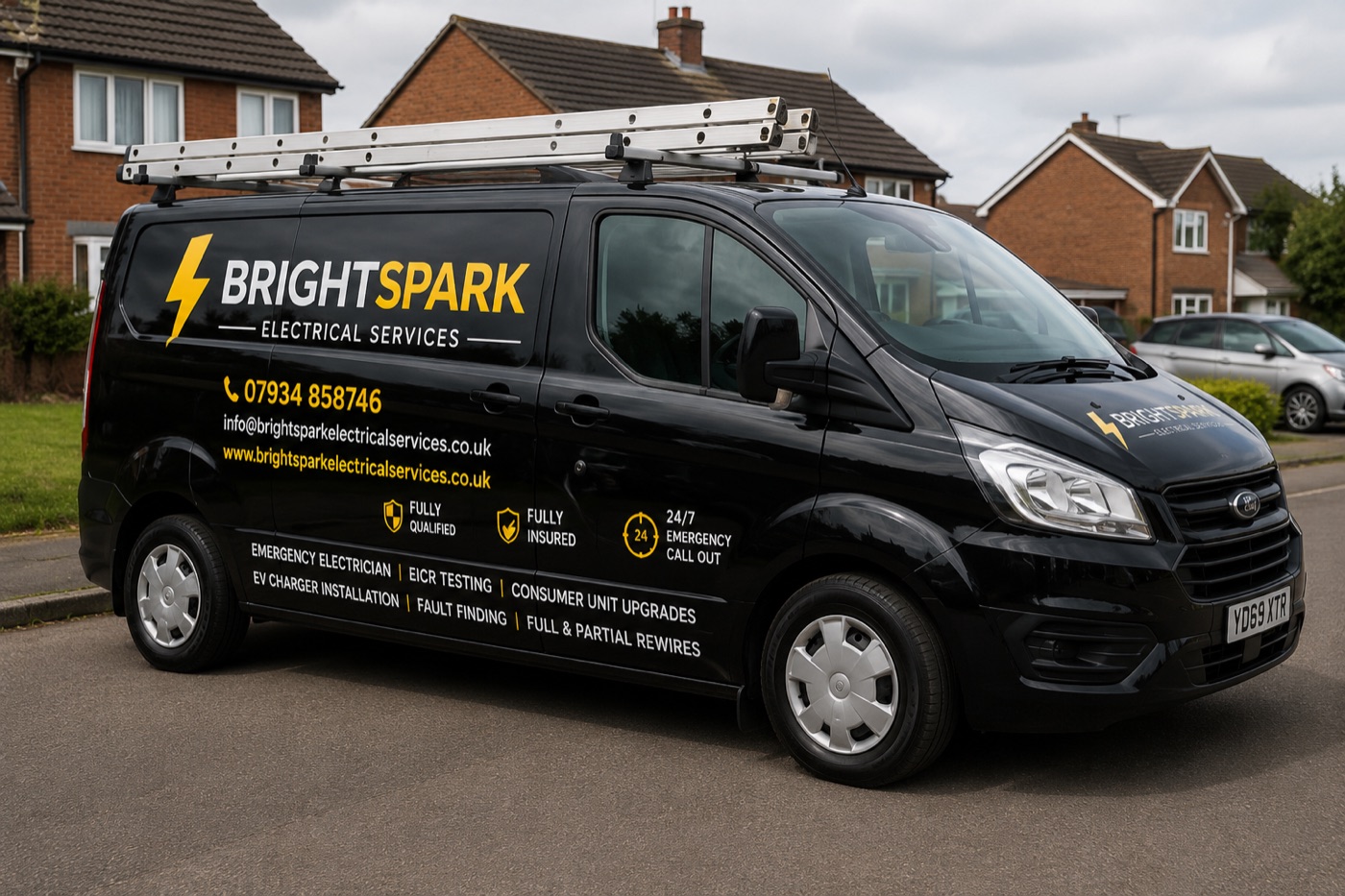
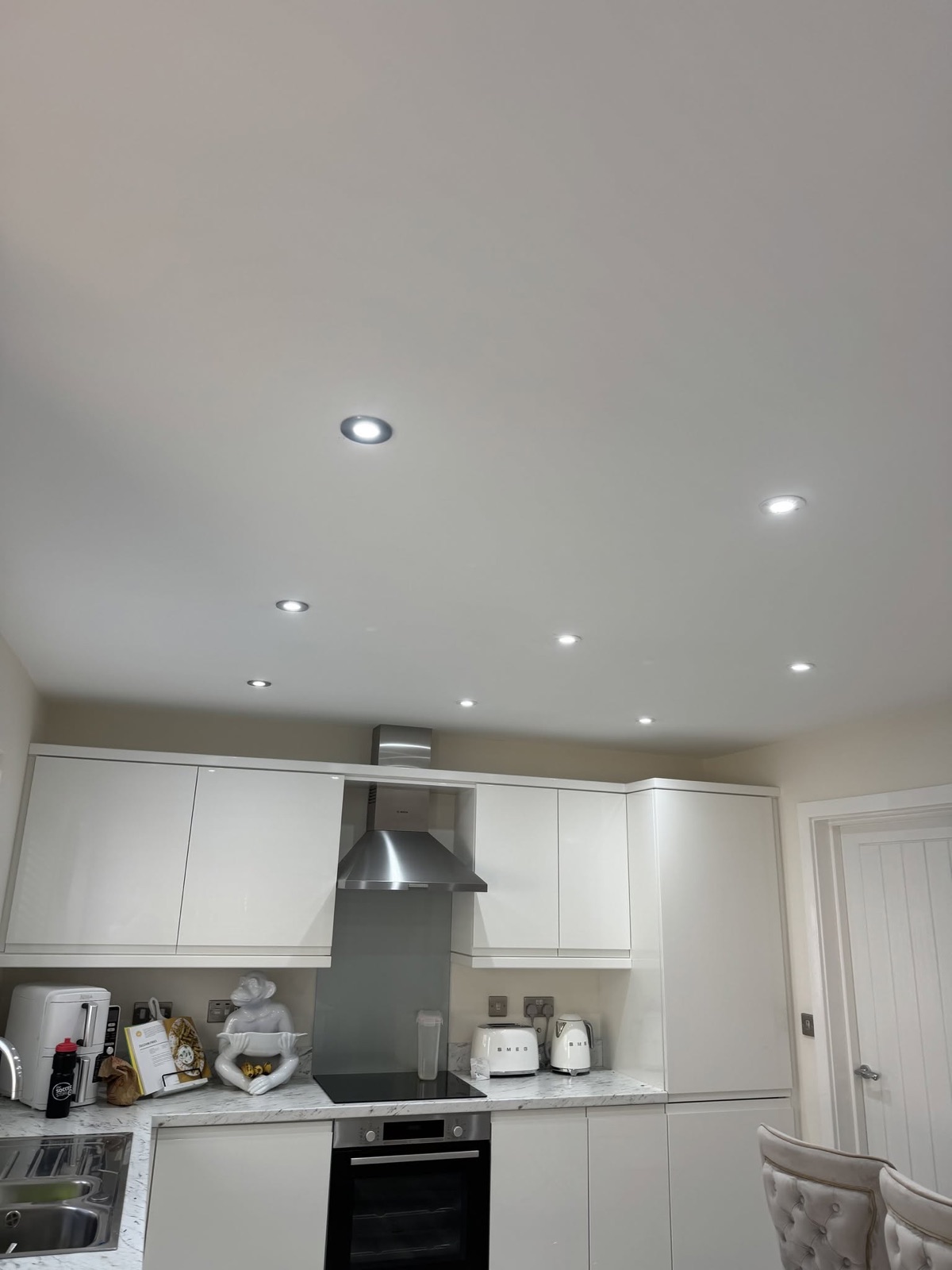
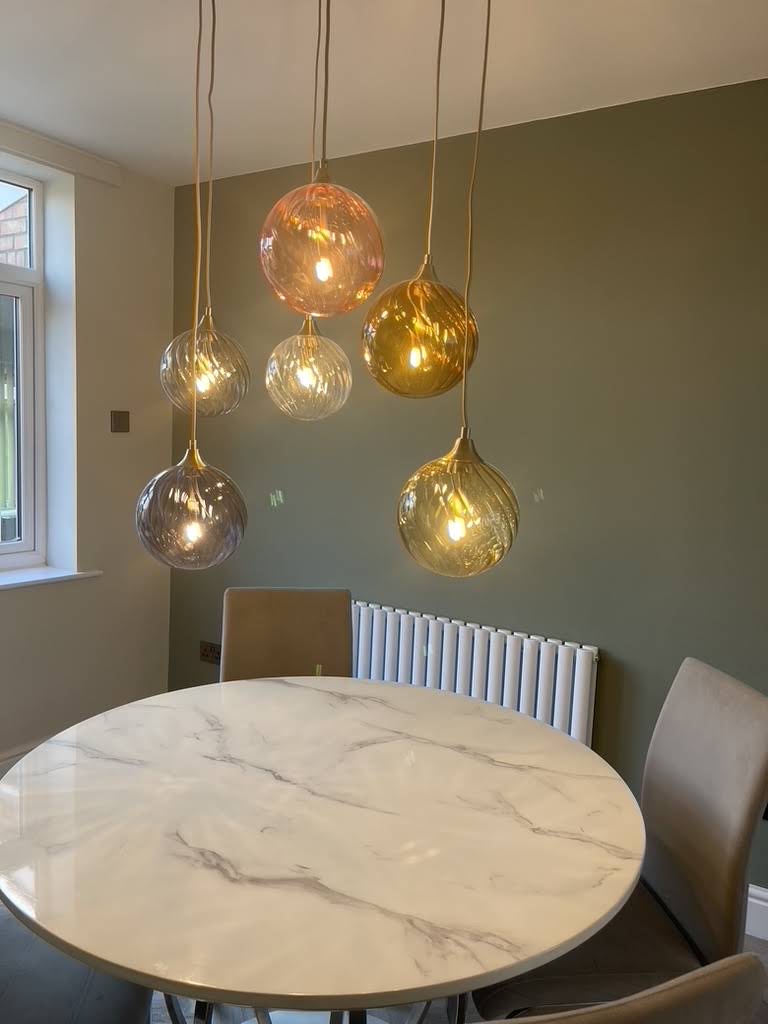
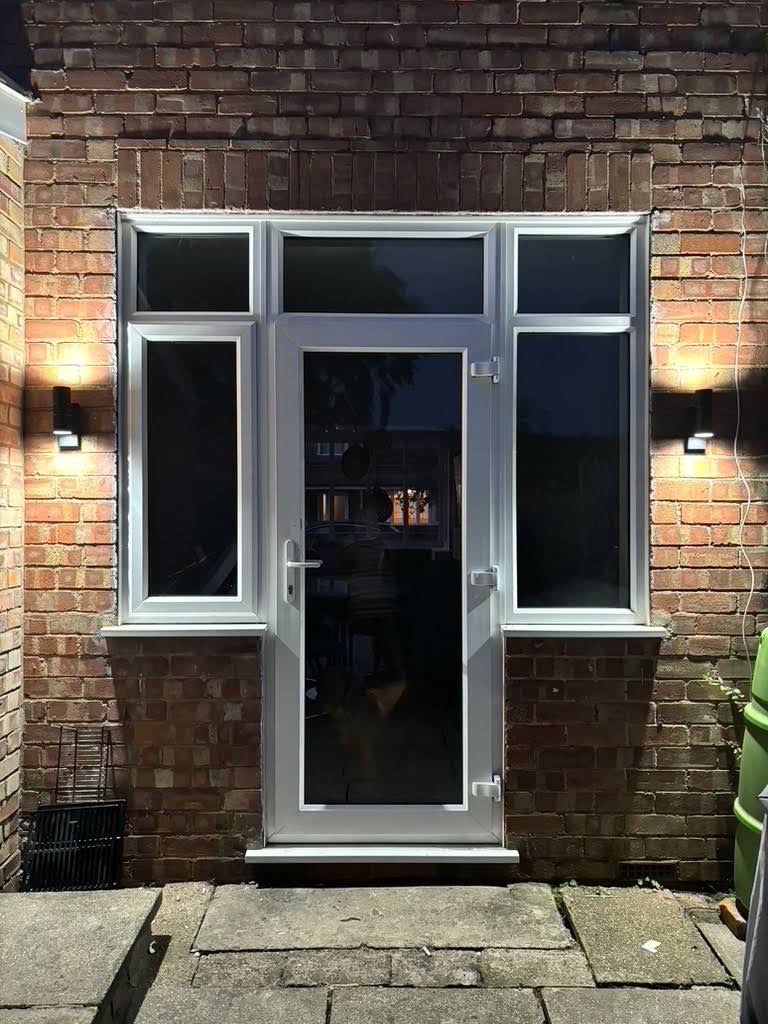
These are genuine BrightSpark images published by the business on its Google Business Profile and Facebook Page. They show the kind of careful, practical work customers can ask us about.
Caravan Electrical Specialist
BrightSpark provides dedicated caravan electrical advice, inspections and repairs for Lincolnshire owners, landlords and holiday parks. Send photos of the caravan consumer unit, hookup area or affected socket or light for initial guidance.
Electrical condition reports for static caravans, with clear advice before booking.
Testing and inspection guidance for caravan owners and holiday parks.
Tripping, power loss, sockets, lighting and consumer unit issues.
Advice for caravan fuse boards, protection and safety concerns.
Helpful checks for owners, landlords and holiday parks.
Electrical support for Lincolnshire holiday parks and site operators.
Find The Right Help
Start with the electrical problem, service or pricing question that best matches what you need, then call or send photos if anything is still unclear.
Trust Without The Noise
Electrical work can feel uncertain when you do not know what is behind the switch, socket or fuse board. BrightSpark is built around clear communication: photos before visits, honest guidance, clear next steps and professional, fully insured work.
As a NAPIT Registered Electrician based in Skegness, BrightSpark supports nearby domestic and commercial customers first and also considers suitable work across Boston, Lincoln and relevant Lincolnshire towns.
Electrical Advice Centre
This may indicate an issue requiring Electrical Fault Finding. If your RCD keeps tripping, your circuit breaker keeps tripping or your fuse board has problems, those pages explain the next steps.
An RCD trips for safety, often because of leakage, damp, an appliance or wiring fault. Read more about RCD Keeps Tripping, RCD Keeps Tripping After Rain and Electrical Fault Finding.
Not always. Start with Do I Need A New Fuse Board?, then compare Fuse Board Replacement, Consumer Unit Upgrade and Fuse Board Problems.
Yes. Photos are especially useful for fuse boards, outside sockets, hot tub electrics and light fitting replacement.
It depends on how quickly the fault can be traced. See How Much Does Fault Finding Cost?, Electrical Fault Finding and Power Out In Part Of House.
Usually, yes, if the supply and protection are suitable. See Outside Socket Installation, Garden Power Installation, Shed Electrics and Outside Socket Installation Cost.
Landlords usually need a valid electrical safety report. Start with Landlord EICR, then see EICR Certificate, EICR Cost and What Happens If An EICR Fails?.
Intervals can depend on site rules, use and installation condition. The wider EICR cluster explains EICR Certificates, Electrical Safety Inspections and Landlord EICRs.
Common causes include incompatible dimmers, poor-quality lamps, loose connections or circuit issues. See LED Lights Flickering, Lights Not Working and Light Fitting Replacement.
It may be a loose connection, damaged accessory, tripped circuit or wiring fault. Read One Socket Not Working, Socket Sparking and Electrical Repairs.
Independent Feedback
These short review excerpts come from BrightSpark's public Google Business Profile, Facebook Page and MyJobQuote trade profile. Follow a source link to check the original feedback.
"Lovely helpful guy"
BrendaWire Bathroom and Landing LightsMyJobQuote Review · 29 Jun 2025"Did a great job, polite and punctual"
HelenBathroom Light Installation & AdviceMyJobQuote Review · 19 Apr 2025"Excellent job done quickly and professionally extra socket and security camera installed. Highly recommended to all."
BridgetExtra Socket and Security Camera InstallationMyJobQuote Review · 5 Oct 2024"Every one has been done excellently, with the upmost professionalism."
Michael WealthallRepeat electrical workGoogle Business Profile · Public review viewed 25 Jul 2026"Fantastic, on time, polite, great job, tidied up and really reasonable."
Peter DhillonElectrical workGoogle Business Profile · Public review viewed 25 Jul 2026"I cannot fault his professional and friendly service."
Michael TaylorElectrical serviceFacebook recommendation · Public recommendation viewed 25 Jul 2026Areas Covered
Skegness remains BrightSpark's primary local focus. Dedicated area pages also make it easier for customers in nearby villages, larger towns and the city of Lincoln to find relevant help.
Before You Book
Call, WhatsApp, send a photo or send a short video for initial guidance. We will help you understand what might be needed before arranging a visit.